If your gynecologist has recommended surgery, one of the first questions you may have is whether laparoscopic (keyhole) surgery or open surgery is the better option. Advances in minimally invasive gynecological surgery have made laparoscopic procedures the preferred choice for many women because they offer faster recovery, less pain, and smaller scars.
However, the best surgical approach depends on your medical condition, the complexity of the procedure, and your overall health. Understanding the differences between laparoscopic and open surgery can help you make an informed decision in consultation with your gynecologist.
At Dr. Mohil Patel’s Clinic, Ahmedabad, every patient receives a personalized treatment plan based on the safest and most effective surgical approach.
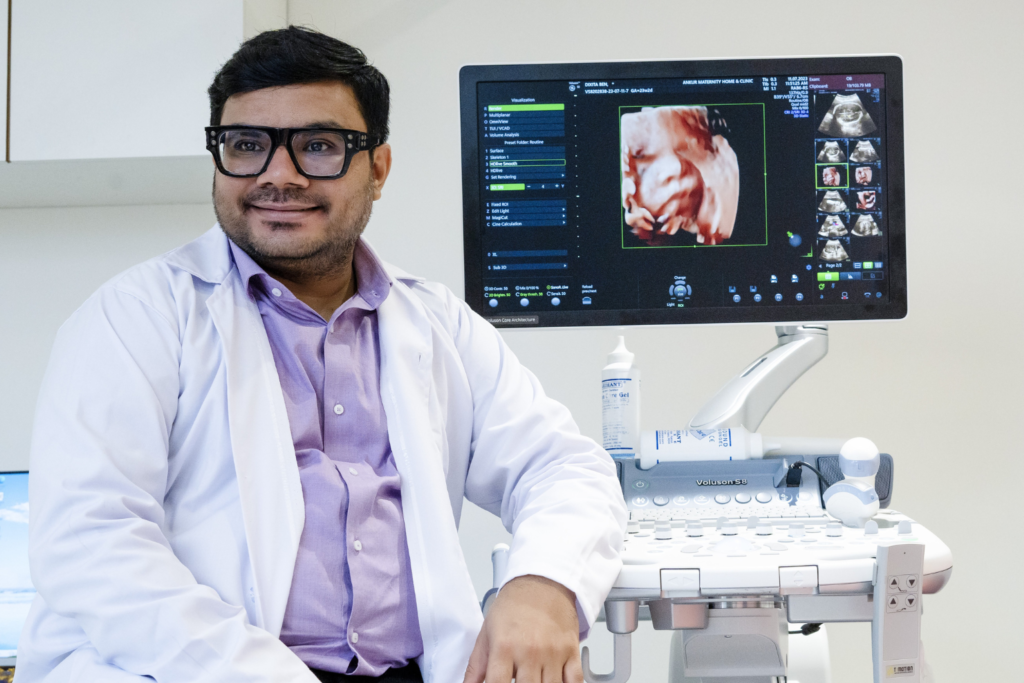
About Dr. Mohil Patel – MD Gynecologist & Laparoscopic Surgeon, Ahmedabad
Dr. Mohil Patel is a highly experienced MD Gynecologist, Obstetrician, and Advanced Laparoscopic Surgeon committed to providing comprehensive women’s healthcare with a patient-first approach. With more than 10 years of clinical experience, he specializes in advanced minimally invasive gynecological procedures, high-risk pregnancy management, infertility treatment, and complex gynecological surgeries.
His expertise combines modern surgical techniques with compassionate care, ensuring the best possible outcomes while minimizing patient discomfort and recovery time.
Education & Qualifications
- MBBS – Bhavnagar Medical College
- Internship – Ahmedabad Civil Hospital (B.J. Medical College)
- Fellowship in Gynecological Endoscopy – Mayflower Hospital
- Advanced Laparoscopic Training under Late Dr. Rakesh Sinha, Mumbai
Professional Experience
- 10+ years of clinical experience
- Former Gynecology Consultant – Community Health Center, Bayad
- Former Head of Department (OBGY) – CUH Hospital, Odhav
- Former Head of Department (OBGY) – Kanba Hospital, Viratnagar
- Successfully managed 500+ complex gynecological cases
- Special expertise in endometriosis surgery, fertility-preserving procedures, and high-risk obstetrics
Areas of Expertise
- Basic to High-Risk Pregnancy Care
- Advanced Laparoscopic Gynecological Surgery
- Complex Gynecological Procedures
- Endometriosis Surgery
- Fibroid Management
- Ovarian Cyst Surgery
- Hysterectomy
- Fertility-Preserving Surgery
- Gynecological Oncology
- Infertility Evaluation & Treatment
What Is Laparoscopic Surgery?
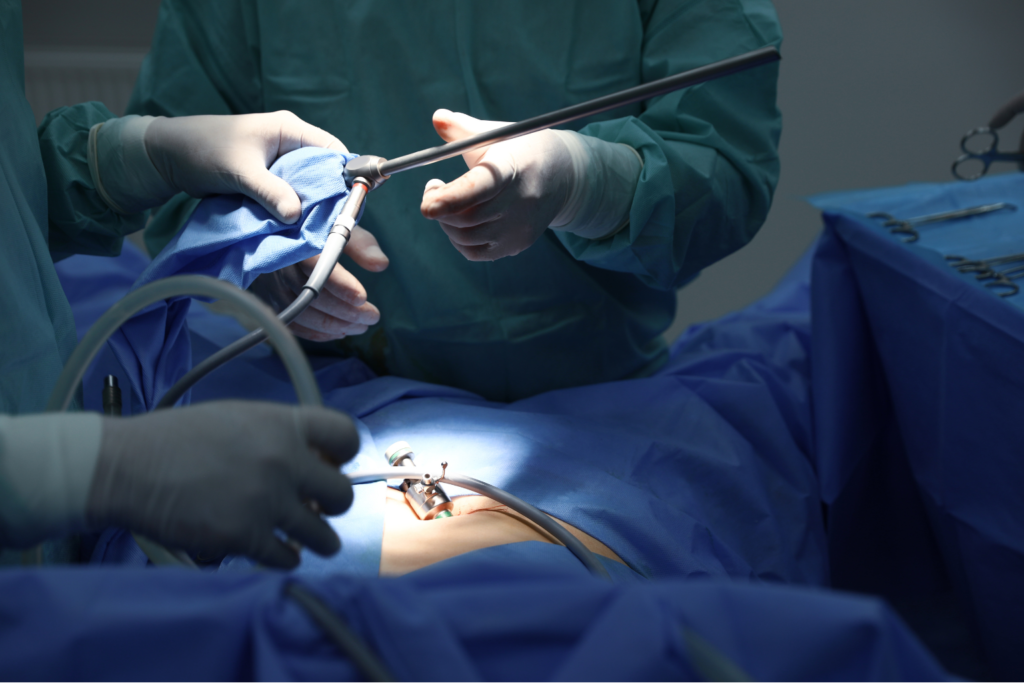
Laparoscopic surgery, also called minimally invasive surgery or keyhole surgery, is performed using tiny incisions through which a high-definition camera and specialized surgical instruments are inserted.
The camera provides a magnified view of the internal organs, allowing the surgeon to perform precise procedures while minimizing damage to surrounding tissues.
Common laparoscopic gynecological procedures include:
- Ovarian cyst removal
- Fibroid removal (Myomectomy)
- Hysterectomy
- Endometriosis surgery
- Treatment of ectopic pregnancy
- Tubal surgery
- Infertility-related procedures
- Diagnostic laparoscopy
What Is Open Surgery?
Open surgery involves a larger abdominal incision that allows direct access to the organs.
Although open surgery is still necessary in certain complex or emergency situations, many procedures that were once performed through large incisions can now be safely completed laparoscopically.
When Is Laparoscopic Surgery Better Than Open Surgery?
Laparoscopic surgery is generally preferred when:
- The condition can be safely treated through minimally invasive techniques.
- Faster recovery is important.
- Reduced postoperative pain is desired.
- Smaller scars are preferred.
- The patient wants an earlier return to work or daily activities.
- There is a need to preserve fertility through precise surgical techniques.
However, open surgery may still be recommended for:
- Extremely large tumors or fibroids
- Advanced cancers requiring extensive surgery
- Severe internal bleeding
- Complex abdominal adhesions
- Certain emergency situations where immediate access is necessary
The decision should always be made after a thorough clinical evaluation by an experienced gynecological surgeon.
Benefits of Laparoscopic Surgery
1. Smaller Incisions
Instead of a long abdominal cut, laparoscopic surgery typically requires only a few tiny incisions.
Benefits include:
- Minimal tissue damage
- Lower risk of infection
- Better cosmetic appearance
- Reduced blood loss
2. Faster Recovery
One of the biggest advantages is significantly quicker recovery.
Most patients:
- Walk within hours after surgery
- Return home within 24–48 hours for many procedures
- Resume office work in approximately 1–2 weeks (depending on the procedure)
- Return to normal activities much earlier than after open surgery
3. Less Pain After Surgery
Because muscles and tissues are less disrupted:
- Pain is considerably reduced
- Fewer pain medications are usually required
- Greater comfort during recovery
4. Reduced Blood Loss
Modern laparoscopic instruments help seal blood vessels effectively, often resulting in:
- Less intraoperative bleeding
- Lower likelihood of blood transfusion
- Safer recovery
5. Lower Risk of Infection
Smaller incisions reduce exposure of internal organs, which may lower the risk of postoperative wound infections.
6. Better Cosmetic Results
Tiny incisions heal with minimal scarring, making laparoscopic surgery an excellent option for women concerned about visible abdominal scars.
7. Earlier Return to Daily Life
Patients often return to:
- Work
- Household activities
- Driving (as advised by the surgeon)
- Light exercise
- Family responsibilities
much sooner compared to open surgery.
Recovery Time: Laparoscopic Surgery vs Open Surgery
| Factor | Laparoscopic Surgery | Open Surgery |
|---|---|---|
| Incision Size | Small | Large |
| Hospital Stay | Often 1–2 days | Typically longer |
| Pain | Usually less | Usually more |
| Recovery | Faster | Slower |
| Return to Work | Often earlier | May take several weeks |
| Scar | Small | Larger |
Recovery varies depending on the type of surgery, the patient’s health, and the surgeon’s recommendations.
Pain: Which Surgery Hurts Less?
Pain after surgery depends on the procedure performed, but laparoscopic surgery generally causes less discomfort because:
- Smaller incisions affect fewer muscles and tissues.
- There is less tissue handling during surgery.
- Healing tends to be quicker.
Some patients may experience temporary shoulder pain due to the gas used during laparoscopy, but this usually resolves within a few days.
Cosmetic Results
Many women appreciate the cosmetic advantages of laparoscopic surgery.
Instead of a long abdominal scar, patients are typically left with only a few small marks that become less noticeable over time.
For younger women and those concerned about body image, this is often a significant benefit.
Myths vs Facts About Laparoscopic Surgery
Myth 1: Laparoscopic surgery is only for minor problems.
Fact: Advanced laparoscopic techniques are used to treat many complex gynecological conditions, including fibroids, endometriosis, hysterectomy, ovarian cysts, and fertility-related disorders.
Myth 2: Open surgery is always safer.
Fact: Safety depends on the patient’s condition and the surgeon’s expertise. For appropriately selected patients, laparoscopic surgery is a well-established and effective approach.
Myth 3: Recovery is the same for both surgeries.
Fact: Recovery is often faster after laparoscopic surgery, with less postoperative discomfort and an earlier return to normal activities.
Myth 4: Laparoscopic surgery leaves no scars.
Fact: Small scars remain, but they are generally much less noticeable than the larger scar from open surgery.
Myth 5: Every patient can undergo laparoscopic surgery.
Fact: Not all cases are suitable. Certain complex medical conditions or emergencies may require open surgery for the safest outcome.
Who Is a Good Candidate for Laparoscopic Surgery?
Many women with the following conditions may benefit from laparoscopic treatment:
- Fibroids
- Ovarian cysts
- Endometriosis
- Pelvic pain
- Infertility evaluation
- Ectopic pregnancy
- Abnormal uterine bleeding
- Hysterectomy
- Adhesions
A detailed consultation and evaluation help determine the most appropriate surgical approach.
Why Choose Dr. Mohil Patel for Laparoscopic Surgery in Ahmedabad?
Choosing an experienced laparoscopic surgeon plays a vital role in achieving the best outcomes.
Patients trust Dr. Mohil Patel because of:
- More than 10 years of experience
- Expertise in advanced laparoscopic gynecological procedures
- Specialized training in gynecological endoscopy
- Extensive experience in endometriosis and fertility-preserving surgery
- Personalized treatment plans
- Compassionate, patient-centered care
- Focus on safety, precision, and faster recovery
Frequently Asked Questions (FAQs)
Is laparoscopic surgery painful?
Most patients experience less pain compared to open surgery, and discomfort is usually manageable with prescribed medications.
How long does recovery take?
Recovery depends on the procedure performed, but many patients recover faster than with open surgery and return to normal daily activities sooner.
Can laparoscopic surgery treat large fibroids?
Many fibroids can be managed laparoscopically, although the choice of procedure depends on the number, size, and location of the fibroids.
Is laparoscopic surgery safe?
When performed by a trained and experienced gynecological laparoscopic surgeon in appropriately selected patients, laparoscopic surgery is a widely accepted and effective treatment option.
Will I have visible scars?
Only small incision marks are usually present, which typically become less noticeable over time.
Conclusion
Laparoscopic surgery has transformed modern gynecological care by offering smaller incisions, reduced pain, quicker recovery, shorter hospital stays, and improved cosmetic outcomes. While open surgery remains necessary for certain complex situations, minimally invasive surgery is often the preferred choice for many gynecological conditions when clinically appropriate.
If you are considering gynecological surgery, consulting an experienced laparoscopic surgeon can help you understand the most suitable treatment for your individual needs.
Book Your Consultation with Dr. Mohil Patel
If you are experiencing gynecological concerns or would like to know whether laparoscopic surgery is the right option for you, schedule a consultation with Dr. Mohil Patel – MD Gynecologist & Advanced Laparoscopic Surgeon, Ahmedabad.
Clinic Address
Ankur Maternity Home & Clinic, 425, Avani Icon, Haridarshan Cross Road, Opp. Shalby Hospital, Nava Naroda, Ahmedabad, Gujarat – 382330
Consultation Hours
Monday to Saturday
8:00 AM – 1:00 PM
Appointments
📞 Call for Appointment: +91 99791 14848
Take the first step toward better women’s health with expert, compassionate, and advanced gynecological care.